


After 28 years at PwC, Arif Ahmad moved on as the accountancy giant’s focus shifted from the mid-market he knew best.
A year spent exploring life beyond the profession followed before fast-growing, private equity-backed Cooper Parry recruited him to launch its Yorkshire operation.
Now he’s assembling a formidable team to challenge the established players, he explains to Sheryl Moore…
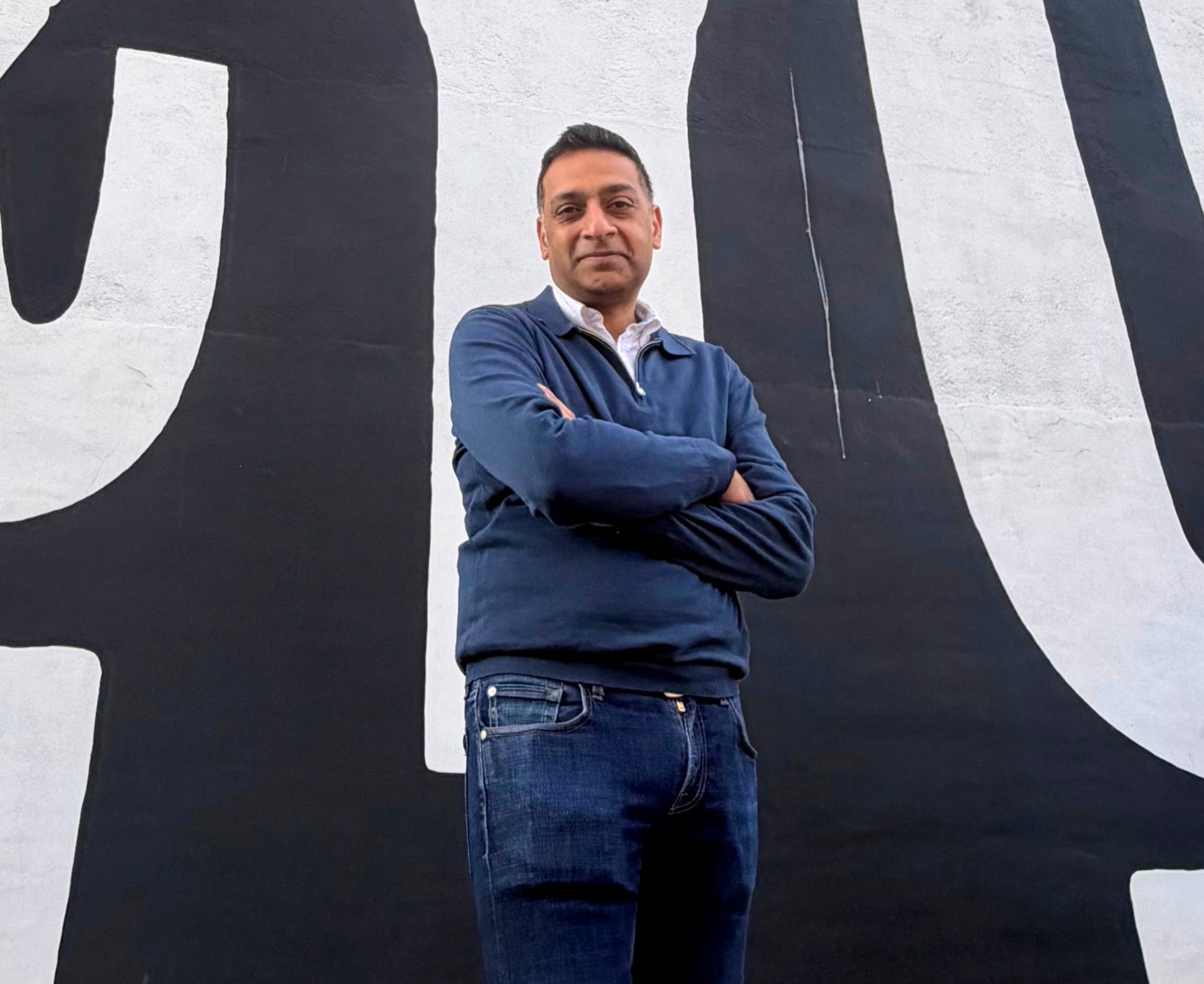
Arif Ahmad spent almost three decades working for one of the biggest names in accountancy. But when PwC’s focus began moving away from the businesses, he most enjoyed advising, he decided it was time for a change.
A year away from the profession followed, during which he established a sports and leisure venture in Bradford and took on an advisory role preparing a business for exit.
Now he’s back, helping build a challenger that believes it can exploit the opportunities the Big Four are leaving behind.
And he’s relishing the chance to handpick his own team.
“I keep describing myself as a fantasy football manager,” he says. “I’ve got this amazing opportunity to build something from scratch and talk to people I’d love to have as part of a team.”

It is a fitting description of the job Ahmad was recruited to do when Cooper Parry, the rapidly expanding, private equity-backed accountancy group, decided to establish a presence in Yorkshire.
After 28 years at PwC, including four as head of its Leeds office, he joined Cooper Parry in October 2025 with a remit to build a regional operation from the ground up, backed by significant investment and the freedom to recruit some of the industry’s most experienced professionals.
Twelve months on, he has secured eight partners and a director, drawing talent from PwC, KPMG, Deloitte, BDO and Grant Thornton.
But the story behind his departure from PwC helps explain why he believes Cooper Parry has such an opportunity.
“I absolutely loved it at PwC,” he says.
“A lot of the work I did over the years was with privately owned and private equity-backed companies. I did some listed work, but my sweet spot was privately owned and private equity-backed businesses — what you might call the mid-market.”
It was a market in which he had built his career and relationships. But the priorities of the largest accountancy firms were changing.
“In more recent years, the Big Four have moved up in terms of client size and left a gap that others have been keen to target he says.”
For Ahmad, that shift was significant. Rather than follow the market upwards towards larger corporate clients, he left PwC and considered his next move.
He did so without another accountancy role lined up.
“I’d left and was thinking about what I might want to do next,” he recalls.
During the following year, he became involved in opening padel courts and cricket nets in Bradford, while also taking on a consultancy assignment preparing a business for exit.
He was still weighing up his options when Cooper Parry approached him.
The attraction was immediate: the opportunity to return to the part of the market he knew best, but with the freedom to create something new.
Ahmad believes the opportunity extends beyond the changing size of clients being targeted by the Big Four.
When he became head of PwC’s Leeds office in 2013, there was a concerted effort to rebalance activity away from London and strengthen the regions.
But the pendulum, he believes, has swung back.
“In the post-COVID normalisation, the focus has shifted back to London,” he says.
“Regional markets are still important, but probably not as important as they used to be.”
He points to changes in Deloitte’s M&A practice in Leeds and the increasing number of professionals who may still work in the city but are part of national teams.
“Many of them may live and be based in Leeds, but they’re now in national roles and national setups, which means they spend less time focused on the region.”
For Cooper Parry, that changing landscape presents an opportunity to establish itself among Yorkshire’s ambitious privately owned and private equity-backed businesses.
The 175-year-old firm had undergone a dramatic transformation under private equity ownership and wanted to establish itself in the region.
Ahmad was offered the opportunity to lead that expansion, combining his regional knowledge and mid-market experience with the chance to create something new.
Crucially, he would not simply inherit an established team. He could build one.
His first recruit was Liz Ross-Jones, an audit partner who joined from PwC in November 2025.
“I’d worked with her for more than 20 years, she’s brilliant and so she was a natural choice as my first recruit.”
That was followed by partner Chulanga Jayawardana – known as CJ – from KPMG, who leads transaction-services due diligence across the North of England and Cooper Parry’s food and drink specialism nationally.
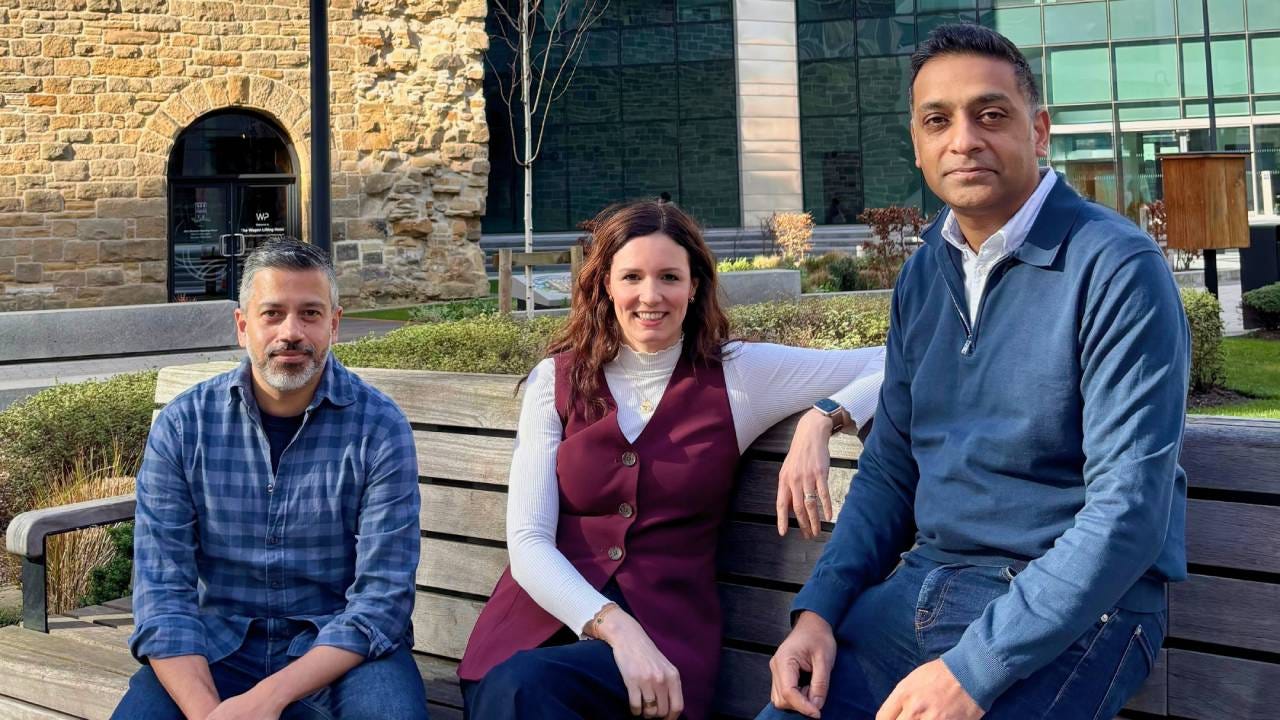
Laura Burton, previously at Deloitte and BDO, joined as a partner in April to establish a global mobility tax offering, while partner Emma Davies arrived in September to develop the firm’s finance talent and intelligence team, bringing more than 30 years’ experience at Grant Thornton. Alistair West has also joined as a director in corporate tax from Deloitte.
By the time of our conversation, Ahmad is one of five partners and a director, with another three partners lined up. Two were expected to join in early December from Big Four firms, while the third was negotiating an exit, also from a Big Four firm.
The appointments cover corporate tax, employment taxes and deals advisory. For a business that had no Yorkshire operation little more than a year earlier, it represents a rapid build-up of senior talent.
But Ahmad insists the emphasis has been on quality rather than numbers.
“If you’d told me a year ago that I’d now have eight partners and a director secured, I’d have thought that was amazing — and here we are.”
And there is another aspect of the team that gives him particular satisfaction.
Of the nine senior appointments, six are women and two are from ethnic minority backgrounds. Only two are white men.
For an industry whose senior leadership has historically been dominated by men, it is a notably different-looking team.
“That’s not to say we’ve deliberately set out to do that. It’s about finding talented people,” he says.
“It’s also an opportunity to build something that looks and feels different.”
That difference extends beyond the composition of the leadership team.
Ahmad wants Cooper Parry to embrace a relationship-based approach to professional services, with senior advisers working closely with the businesses they serve.
He argues that the appeal for recruits is not simply the prospect of joining a rapidly expanding business, but the opportunity to help shape its direction.
Of course, building a team of experienced partners is not cheap.
And this is where Cooper Parry’s ownership model becomes central to the story.
Private equity is steadily reshaping accountancy, challenging a traditional partnership structure that has endured for generations.
For Ahmad, who spent much of his career inside a conventional partnership, the experience has been eye-opening.
Cooper Parry’s first private equity transaction was with Waterland, in December 2022.
Under its ownership, the firm grew from a Midlands-based business with turnover of approximately £45m to one generating around £180m, with a substantially wider geographical presence.
In April 2025, US-based Lee Equity Partners acquired the business, ushering in another phase of growth.
Cooper Parry now operates in professional services, digital and wealth management, with over 2,000 people working from 12 hubs across the UK, including Northern Ireland and Scotland.
Under Lee Equity, acquisitions have continued, particularly in digital and wealth management.
But in Yorkshire, the emphasis has been different.
Rather than buying an established accountancy practice, Cooper Parry decided to recruit a senior figurehead and build organically through experienced lateral hires.
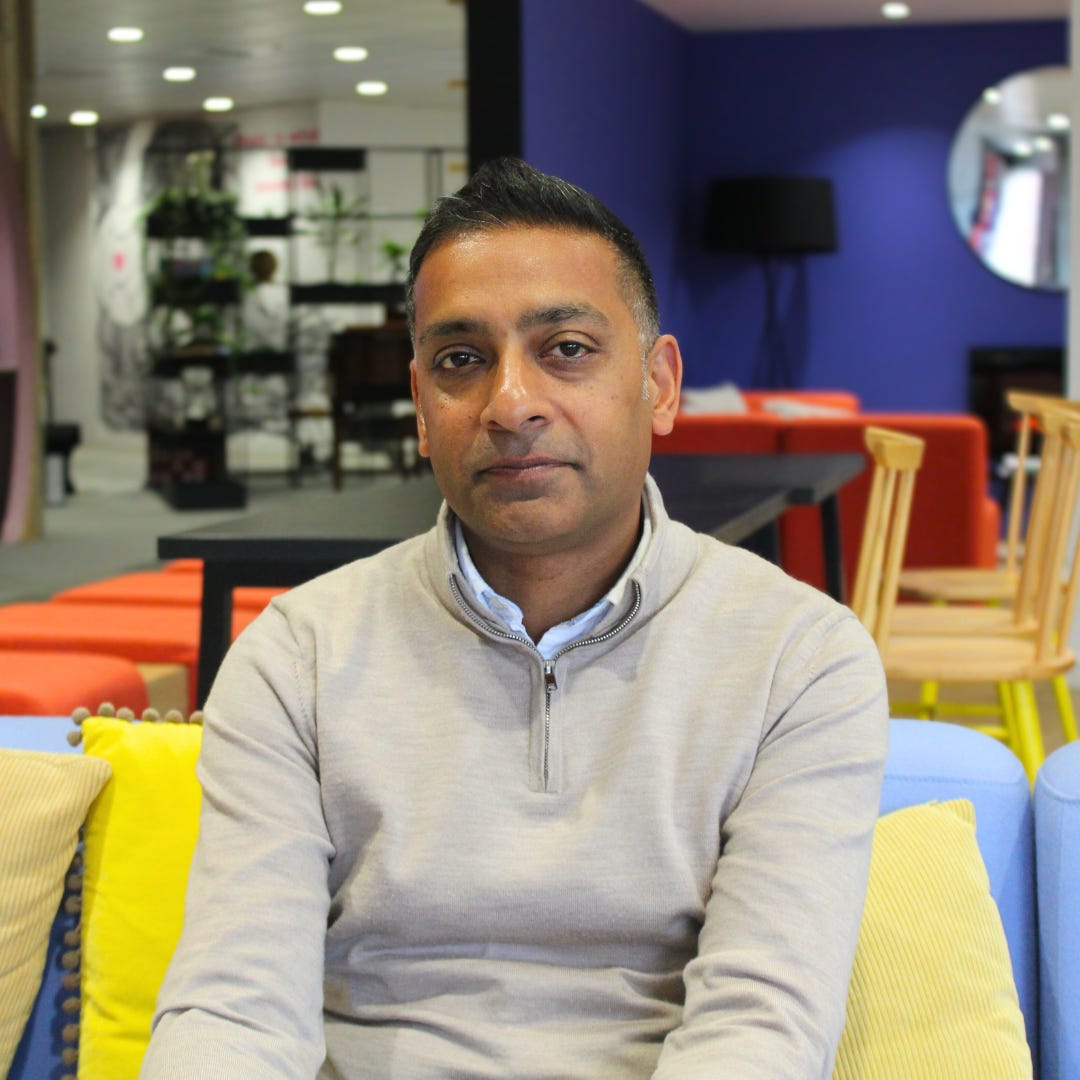
Ahmad says the firm examined potential acquisitions before deciding recruitment was the better starting point.
“That’s not to say we haven’t looked at M&A or won’t continue to. We absolutely will, but we felt this was the best approach for Yorkshire.”
Private equity has provided the financial backing to pursue that strategy at speed.
“We’ve been able to invest ahead of the curve, before the revenues are there,” he says.
“I don’t think you could do that in a traditional partnership now, because people would be looking at metrics like profit per partner and return on investment.”
It is a revealing observation from someone who was once one of approximately 1,000 partners at PwC.
He argues that as partnerships grow, individual partners inevitably lose some of the sense of ownership and influence they once enjoyed.
Private equity, he acknowledges, also expects a return. But it is prepared to commit capital upfront in pursuit of growth.
That financial flexibility is matched by speed. He describes recruitment discussions progressing from an initial conversation to a formal offer within a couple of weeks.
“We’re moving at pace,” he says.
For now, Ahmad is encouraged by the response.
“The pace of growth - in team size, the interest it’s generating in the market, the conversations with potential clients and the clients we’re winning - is encouraging. We have serious ambitions for this region.”
There are still gaps to fill. While CJ has established a transaction-services presence in Leeds, corporate finance and debt advisory work for Yorkshire clients is currently supported from Manchester.
Ahmad would welcome a strong corporate finance recruit, although he is reluctant to commit to a timetable.
And that year away from accountancy has given him a different perspective on the challenges facing business owners.
After almost three decades advising entrepreneurs, he has experienced some of the realities of becoming one.
His Bradford leisure venture, in which he is CEO and a shareholder, brings together four indoor padel courts, four indoor cricket nets, two golf simulators, a café and a Pilates studio.
What began during his break from PwC has also influenced how he approaches his new role.
“What’s been great is that I can genuinely say I can sit in their shoes,” he says.
“You can sit across the table from an entrepreneur and have a different conversation than you would as just an adviser.”
He sees parallels with Cooper Parry’s Yorkshire operation, including the growing pains and lessons that come with establishing something new.
At 51, Ahmad clearly has no intention of treating his latest role as a gentle final chapter in his career.
Asked where he wants the business to be in another year, he is reluctant to impose any limit on its potential.
“Honestly, this may sound trite, but there’s no ceiling to our ambition.”
His ambitions also come at a time when technology, artificial intelligence and new ownership structures are forcing accountancy firms to reconsider how they operate.
AI presents both an opportunity and a warning. Ahmad is enthusiastic about its potential to automate routine tasks and free employees to concentrate on more valuable work.
But he is wary of suggestions that technology will remove the need for significant numbers of junior staff.
He believes the profession has already experienced the consequences of cutting graduate recruitment in anticipation of technological change. When demand subsequently increased, firms found themselves short of experienced professionals.
“AI is fabulous and a game changer in many ways, but you still need the human element: someone to sense check what it has generated, interpret it and reflect it back to the client as advice.”
And there is a longer-term issue.
“You can’t cut out too many people at the bottom, or you won’t have the experience needed for the higher-level analysis.”
For Cooper Parry, the opportunity is to combine a traditional relationship-based approach with the resources, technology and speed of a modern, private equity-backed business.
Whether that formula can significantly alter the balance of power in Yorkshire’s professional services market remains to be seen.
But Ahmad believes the opportunity is real.
Having left PwC without knowing precisely what would come next, he has found himself back in the market he knows best, this time with the freedom to build a business around it.
And, rather like the fantasy football manager he compares himself to, he is still looking for the next player who could make the difference.
::
::
We believe in good journalism that is worthy of your support. Please share this edition of Rainmakers so we can grow the message further and wider.
The insights and commentary we share with you are rooted in the trust we have built in the business community.
We’re also on LinkedIn - please join our Rainmakers community group for updates and offers and opportunities to comment.
If you have something you think we should look at, then either reply to this newsletter or email michael.taylor@thebusinessdesk.com.
Rainmakers is a reader-supported publication. To receive new posts and support our work, consider becoming a free or paid subscriber.