


Hello Rainmakers,
No Scottish headquartered companies are expected to list this year, making it five years since the last London float, which begs the question; why?
Why has the public route to funding and growth gone cold north of the border and does that mean that the private route is buzzing with activity?
Well, Peter Walker, editor of TheBusinessDesk.com in Scotland, spoke to investors, advisers, analysts, listed firms and those that have dropped off to find out.
Rainmakers subscribers get two unique pieces a week, but also full access to our back catalogue of investigations, scoops, and insights, including updates from The Secret Investor, interviews with entrepreneurs, from VC and PE investors like Endless, River Capital, Foresight, and Mercia, and insights into capital markets trends.
Neil McDonald, corporate finance managing director at Cavendish, has helped the likes of Beeks, Calnex Solutions and Smart Metering Systems to list; with the latter of those making a significant return in the time between Initial Public Offering (IPO) and its £1.3bn sale to US private equity giant KKR in 2024.
He’s a big backer of raising money via the public markets, arguing that the route is far more straightforward.
“Yes, your failures are more public, but reporting quarterly is actually far less intrusive than private equity firms assigning someone to keep tabs on your accounts all the time, making sure you’re in line with their five year plan,” he commented, adding that public investors are typically more passive and long-term.
Across the UK, his team only advised on four IPOs last year, when their annual average is usually more like six to 10.
“The UK market has been undervalued over the last two years or so, which makes it good value for overseas buyers, so I think markets are beginning to support that many again, but it’s looking pretty lean in Scotland,” stated McDonald.
“There’s just not the same ecosystem of capital markets advisory in Scotland anymore, so the public route isn’t getting suggested by the likes of the big four as much - people aren’t talking about it, which is a shame, but it does mean that private equity is pregnant with capital at the moment.”
Rory McPherson, investor in the Scottish team at BGF, explained that it invests across early-stage, growth and listed businesses. It has stakes in the likes of Alternative Investment Market (AIM) listed Calnex and Artisanal Spirits Company, but he admits there have been less opportunities at that end of the market recently.
“I think there are a range of good private capital options on offer to Scottish companies at the moment, and the volume of Scottish listings has certainly decreased of late,” he said, adding “private funding is just easier to take in the first place”.
One cautionary tale is that of Parsley Box, an Edinburgh-based ready meals provider focused on the elderly end of the market.
It raised a conditional £17m via a share offering ahead of being listed on AIM in March 2021, but when that actually happened a year later, only around £140,000 was made through the open offer. The public markets were not kind to the company and that November it delisted, moving onto the JP Jenkins liquidity venue for private securities.
Chief executive Holly McComb explained that the decision to go public was taken during the pandemic, when consumer behaviour had shifted sharply towards online shopping.
“Listing on AIM gave access to capital to accelerate customer acquisition, invest in brand building, strengthen the leadership team, and scale the business more quickly than would otherwise have been possible - it also brought greater visibility and credibility with suppliers and partners, and access to public equity markets to support growth ambitions,” she stated.
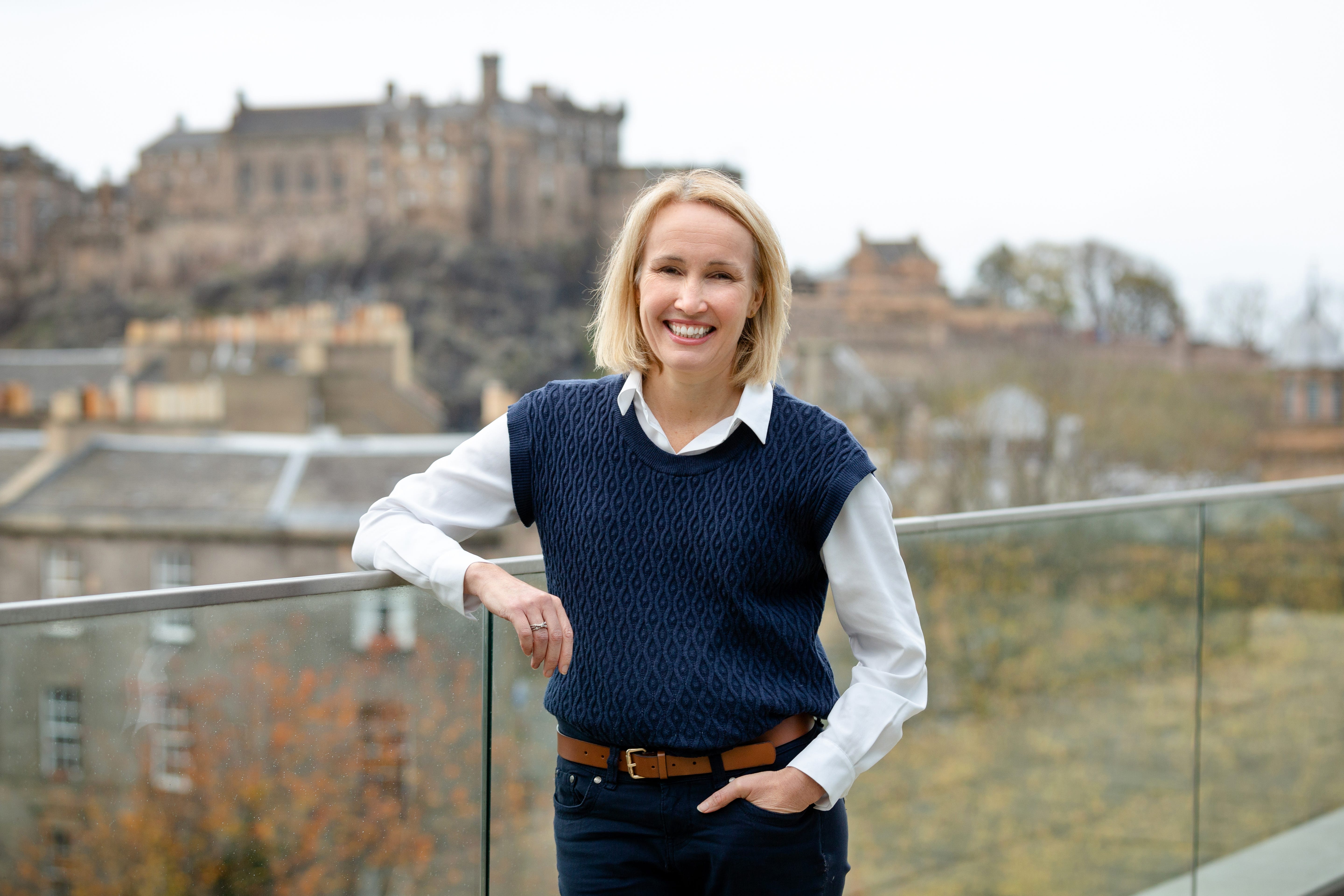
“Over time, it became clear that being a public company wasn’t giving us the flexibility we needed, so the board undertook a full review of all capital-raising options to support our medium-term plans, and concluded that remaining listed was increasingly constraining rather than enabling.”
