


Hello Rainmakers,
When Paul Billingham first sat down with me to plan a round table, the obvious theme – particularly for a firm like Knight Corporate Finance – would have been private equity trends or tech investment opportunities. Instead, Paul chose wellness.
By the end of the session, that call looked less like a left‑field idea and more like an astute reading of where business culture is heading. He pointed out that this was not only the best‑attended of their round tables so far, but also the kind of topic that clearly resonates beyond the room.
Rainmakers subscribers get two unique pieces a week, but also full access to our back catalogue of investigations, scoops, and insights, including insights on key issues around doing deals, like this one. We also offer insights from The Secret Investor, interviews with entrepreneurs, and leaders from VC and PE investors like Endless, River Capital, Foresight, Mercia, Puma and WestBridge.
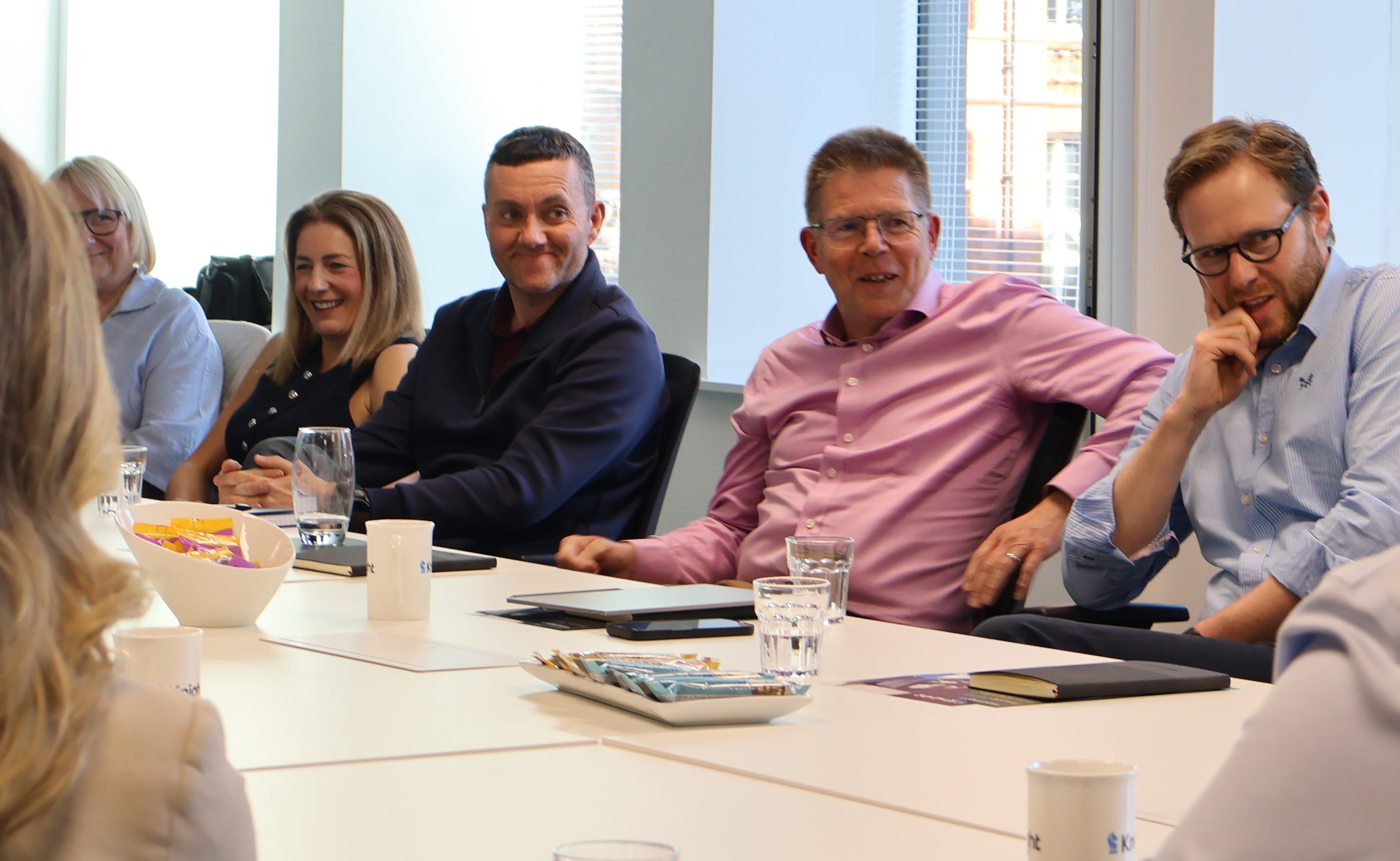
Corporate entertaining, staff development events, and networking is changing.
Beer and pizza is out. Wellness as a relationship strategy, is in.
It’s not a soft add‑on, but in the transactional world of corporate finance, relationships matter more than ever, oddly.
Partly, the reason the old formula of late‑night drinks, pizza and the odd day at the races no longer works is that the workforce is drinking less and asking more from employers. The growth of Knight’s MediaCity run‑throughs, padel tournaments and mixed‑format days with breathwork, yoga and cold‑water sessions reflects a simple shift: people want to meet, connect and build trust in ways that are healthy, purposeful and – crucially – memorable.
His takeaway was that wellness now sits at the intersection of talent, culture and business development. If firms want to recruit and retain the next generation, they need to offer more than a bar tab; if they want deeper client relationships, they need to create shared experiences that feel authentic rather than performative. In that sense, the Knight / K3 wellness round table wasn’t a detour from the usual private equity narrative – it was a reminder that the real value in any deal still depends on the wellbeing, connections and longevity of the people behind it.
I’ve chaired a lot of round tables over the years – on private equity, regional funding gaps, real estate, professional services, tech, you name it. They can be lively, combative, occasionally revealing. But this one, held in K3’s offices under the banner of “wellness”, was the most quietly provocative I’ve done.
Partly that’s because wellness is one of those slippery words that can mean everything and nothing. On the one hand: cryo chambers, red‑light therapy and breathwork. On the other: getting up a hill with a few mates. We had both ends of that spectrum – and most things in between – around the table.
What struck me first was how personal the answers were when I asked everyone to introduce themselves and say what wellness meant to them.
There was Grace Matthews, a solicitor at JMW and health and wellbeing director for the Manchester Young Solicitors Group, who has essentially turned her own love of fitness into part of her job. She talked about hosting Barry’s Bootcamp sessions and padel mornings where young lawyers and other professionals swap suits for shorts.
“The buzz in the rooms that we’ve seen has been just like a Thursday night pre‑lockdown in a bar,” she said, “because everyone’s got a shared experience to talk about. Everyone’s endorphins are flowing.”
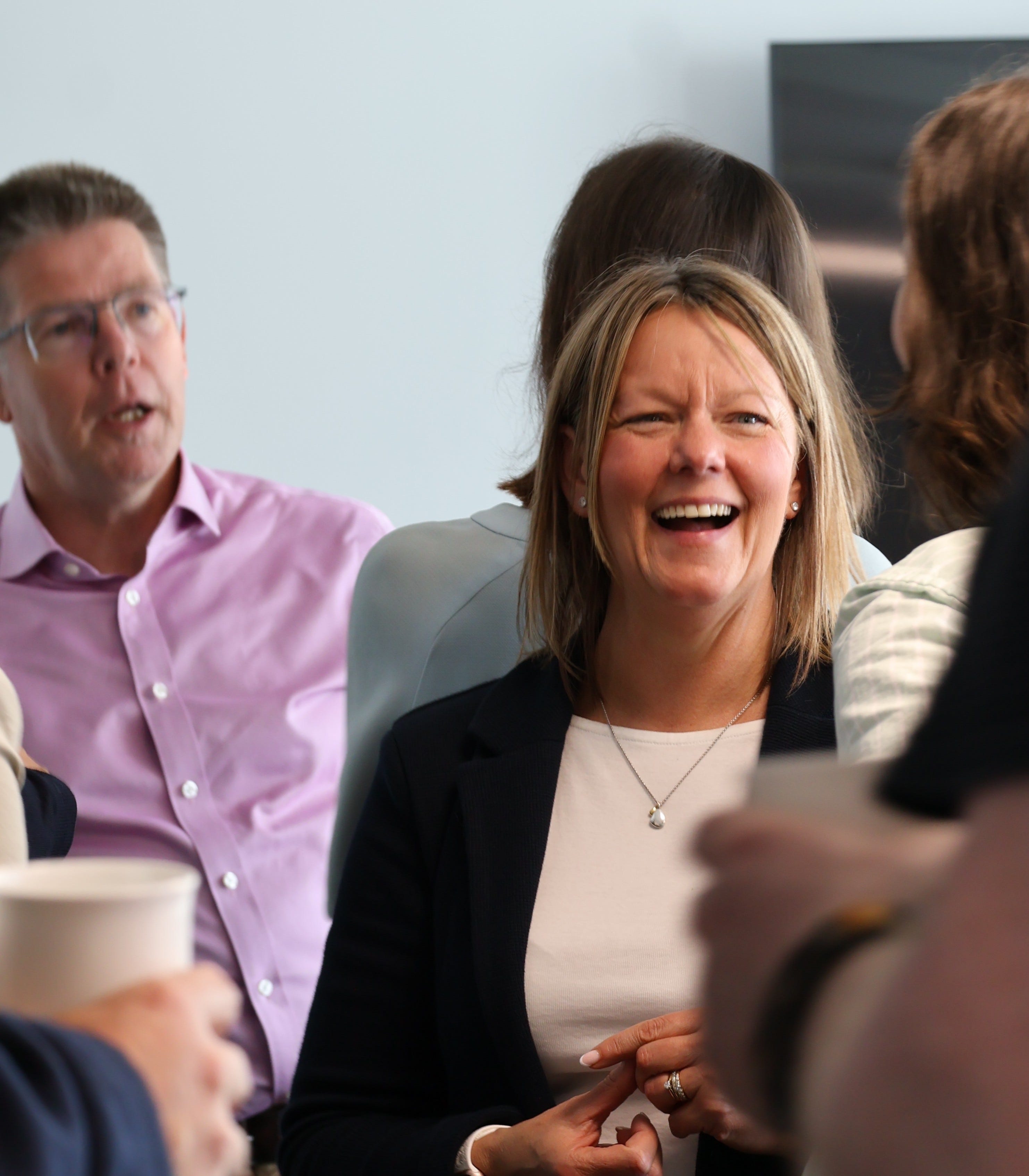
For Heather Walsh, senior executive assistant at Palatine Private Equity, the change has been both cultural and deliberate. Palatine, she said, remains a high‑performance firm in a high‑pressure sector – but its internal temperature has cooled.
“Pre‑Covid it was all pub quizzes and drinks,” she admitted. “Post‑Covid we started asking our people what they actually wanted. The staff engagement surveys were clear – they wanted walks.”
Palatine started small, with informal lunchtime and after‑work walks. It has since evolved into a twice‑yearly staff walking programme and an annual adviser walk:
“We’ll map a route somewhere nice, invite our advisers and contacts, and just go and walk together. We’re still networking, we’re still doing business, but we’re also prioritising wellness. The conversation is very different at the top of a hill than at the end of a bar.”
That idea of shared effort before shared drinks ran through many of the contributions.
Those events, she added, are “just as effective, if not more,” for networking than a big bar tab.
Louise Emmott, who runs a residential consultancy Kingdene, and chairs Women in Property in the North West, has watched that shift play out in real time. Property, as she put it, “is obviously renowned for drinking.” Yet the next‑gen committee she helps run has effectively turned its back on that model.
“I don’t think we’ve actually ever put on an event that involves drinking,” she said. “It’s all Pilates, site tours, paddle. We held our International Women’s Day event on the courts – 70 women, most of whom had never picked up a racket, including me. The buzz was phenomenal.”
There was a recurring phrase that cropped up, from very different people in very different sectors: shared experience. Whether it was a brutal bootcamp, a 10k through MediaCity, a cold‑water plunge or a walk along the canal, the common theme was that people are finding one another – and doing business – in settings that don’t require them to shout over a DJ or pretend they’re having fun at midnight in a chain bar.
At the more structured end of the wellness market, padel loomed large. James Wigglesworth, co‑founder of Club de Padel and formerly of Deloitte, Rothschild and Inflexion, was disarmingly honest about how he came to it.
He didn’t have an epiphany on a sun‑drenched court in Barcelona. He went to check out a rival facility on a freezing Tuesday in February.
“The ground was frozen over, and the courts were fully booked,” he recalled. “On the court next door there were four octogenarians playing. All courts full, different abilities, different ages. At that point the penny dropped.”
For him, the opportunity isn’t just the growth curve of a fashionable sport. It’s about who feels welcome.
“Accessibility isn’t just price,” he argued. “It’s: ‘Is this sport for me?’ ‘Do I know anyone?’ ‘Do I understand the rules?’ Our job is to remove those points of friction and get people down.”
David Thomas, who walked away from a career at PwC and Grant Thornton to play padel “all day” and open Manchester Padel Club, was more philosophical. He talked less about court utilisation and more about community – the kind you see in so‑called Blue Zones, where people live longer because they are embedded in close‑knit groups that look out for one another.
“I don’t think padel is the reason why wellness is an opportunity,” he said. “People crave connection and community.”
In some ways, that was the most important line of the morning. Because once you hear it, you can see the same urge everywhere.
You can see it in Guy Littlejohn, founder of Function, a health‑centred business networking group born out of his frustration with “beer and pizza” events.
“There was no real purpose for why people were there,” he said. “The event organisers didn’t curate the group at all. You’d never know who was going to be in the room, and if you’d actually get to meet the people you needed to.”
Function builds the wellness in – a hit class, an ice and sauna session, a healthy three‑course meal – but the real product is curated connection. At their Dakota “Christmas do”, where he told guests that Function would pick up the food but said nothing about drinks, nobody ordered alcohol. That wasn’t a manifesto; it was a glimpse of positive peer pressure at work.
You can see it in Steve Hughes of Five Wealth, on a mission to make every client meeting outdoors because, as he put it, “I’ve got a memory, I’ve got a brain, I can record stuff.” He described walking meetings as a kind of quiet rebellion against the old corporate intensity.
“When we do this with clients, you walk side by side,” he said. “You’re not staring at each other, it’s not intense, it’s not confrontational. You don’t need the alcohol to get over that intensity.”
For him, Freshwalks – a series I’ve been involved in since we first trudged over Bleaklow more than a decade ago – isn’t about deal‑hunting either. It’s “digital detox” and “mental therapy”. The business benefit arrived later, almost by accident, in the form of friendships, clients and travel companions forged over many miles and a lot of wet socks.
And you can see it in stories that have nothing to do with sport. Suzy Glaskie, a former PR boss who burned out and retrained as a health coach, cut through the upbeat tone of the room with a reminder of what many people are carrying: the cost‑of‑living crisis, school‑refusing children, depressed partners, parents with dementia.
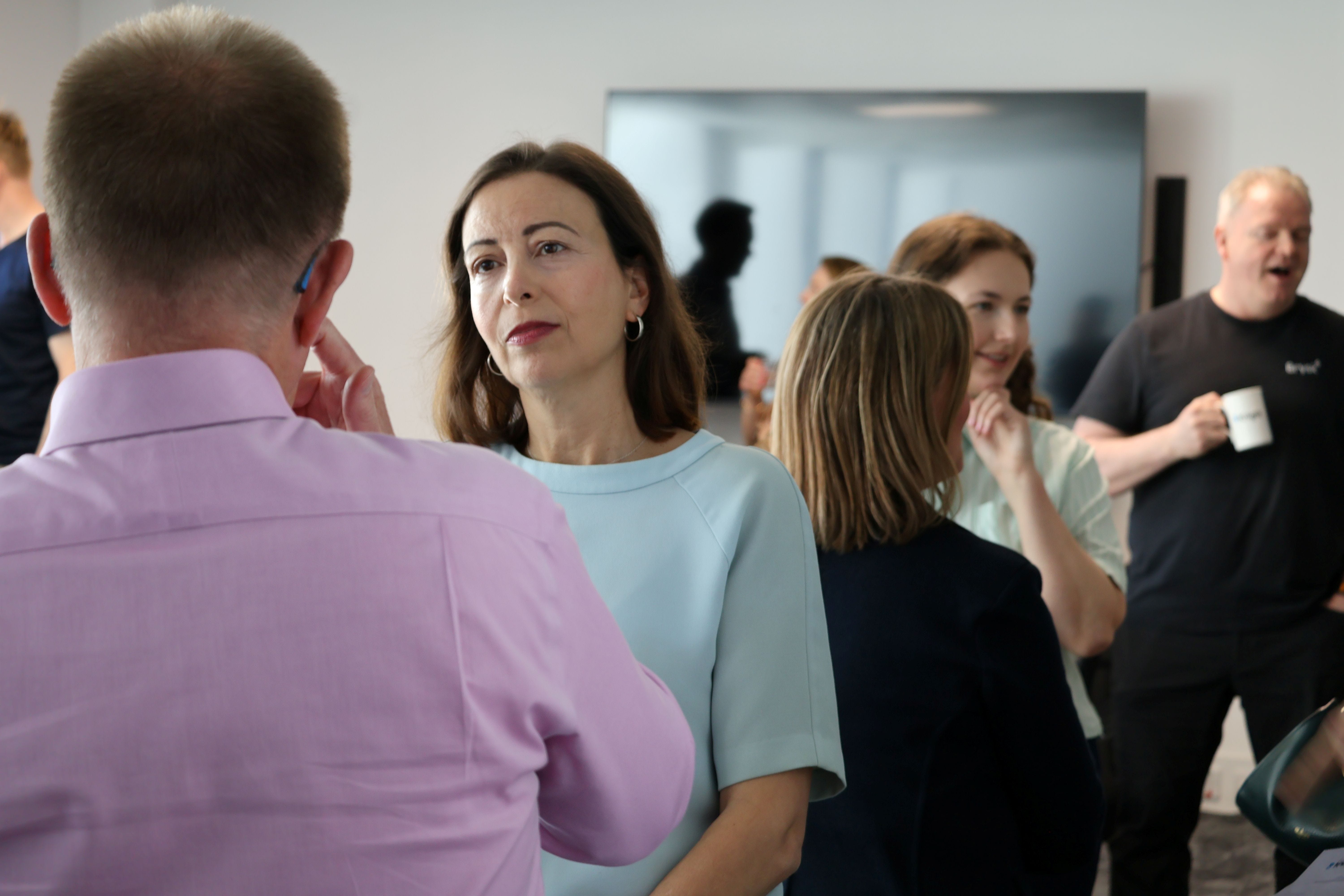
“It does all sound very jolly in this room,” she said, “but the reality is, people are really struggling.”
Her answer, though, was still rooted in connection and meaning: getting people into flow through something absorbing.
When chef Aiden Byrne described moving from the “dog‑eat‑dog” kitchens of his early career to a four‑day week, five weeks’ collective holiday and team foraging trips, it was notable how quickly he pivoted from rota mechanics to how his staff feel.
“It gives them that real sense of confidence and belonging,” he said of taking them out to forage and visit farms. “We love seeing these youngsters develop as time goes on.”
For a hospitality business to build that into its model – when margins are thin and the old “20‑hour day” mentality still lurks – is not some fluffy indulgence. It’s a bet that happier, healthier people produce better food, better service and more resilient businesses.
By the time Paul drew things to a close, thanking everyone and inviting them to join the monthly MediaCity run‑throughs, it felt obvious that we hadn’t really been talking about “wellness” as a lifestyle accessory at all.
We’d been talking about how business gets done now: On hills, on courts, on towpaths and in cryo chambers; in bookshops and community kitchens; in workplaces where “high performance” is measured as much by trust, compassion and fun as it is by billings or IRR.
I’ve moderated plenty of sessions where capital was the headline act. This one, ostensibly about wellness, was a reminder that without the right conditions for people to thrive, all the capital in the world won’t get you very far.

::
The North West, Yorkshire and West Midlands Rainmaker Awards are upon us, once again bringing together the region’s deals community to celebrate the standout deals, teams, and individuals of the past 12 months.
Voted for by the corporate finance community itself, the awards are decided on a one-firm, one-vote basis – making the Rainmaker a genuine peer-led recognition.
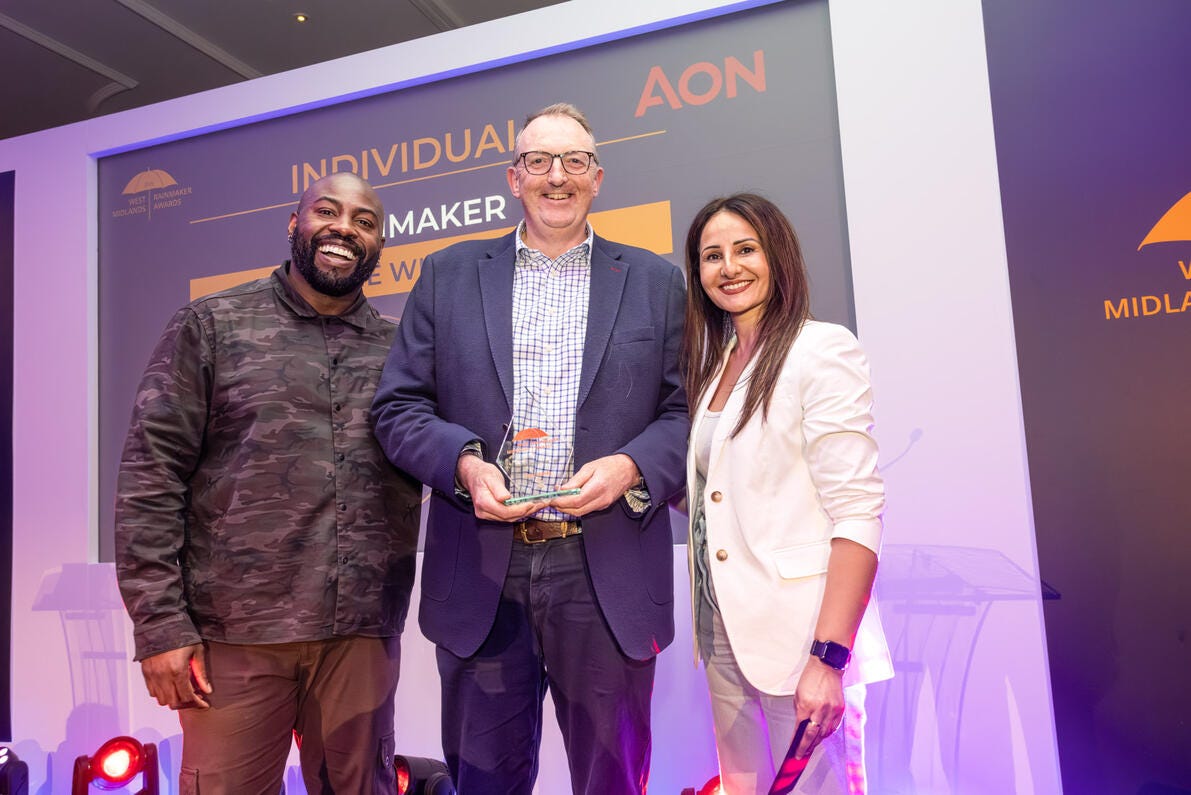
The Rainmaker Awards ditch black-tie formality and speeches in favour of a relaxed evening focused on what the deals and the people who made them happen.
The evening is also a great way to connect with leading firms and individuals shaping the regional deal landscape.
There is a new individual category this year, as we will recognise Lifetime Achievement of one of our Rainmakers for the first time.
The 2026 Yorkshire awards are on June the 11th at New Dock Hall in Leeds, the North West awards will take place on the 25th of June 2026 at the Kimpton Hotel in Manchester city centre, and the West Midlands at the Burlington Hotel in Birmingham on the 2nd of July.
Last year sold out, so book early to secure your table.
::
::
Thank you for subscribing to Rainmakers.
We believe in good journalism that is worthy of your support. Please share this edition of Rainmakers so we can grow the message further and wider.
The insights and commentary we share with you are rooted in the trust we have built in the business community.
We’re also on LinkedIn - please join our Rainmakers community group for updates and offers and opportunities to comment.
If you have something you think we should look at, then either reply to this newsletter or email michael.taylor@thebusinessdesk.com.
Rainmakers is a reader-supported publication. To receive new posts and support our work, consider becoming a free or paid subscriber.