


Hello Rainmakers,
Ian Symes arrived at One Point earlier this year with a long track record of running people‑heavy, partnership‑driven businesses through periods of disruption.
The former CEO of ManPower and group managing director at K3 Advisory Group, he has seen first-hand how traditional partnership models in professional services have creaked under the strain of spiralling living costs, rising technology investment and shifting attitudes to risk among younger professionals.
Rainmakers subscribers get two unique pieces a week, but also full access to our back catalogue of investigations, scoops, and insights, including updates from fellow Rainmakers like this one, insights from The Secret Investor, interviews with entrepreneurs, and the leaders from VC and PE investors like Endless, River Capital, Foresight, Mercia, Puma and WestBridge.
Ian Symes doesn’t say it, but his investment model for professional firms is a ‘third way’.
Not a total sale, but a mode he says breaks with the status quo that is holding many firms back. Behind it all, is that a new generation just aren’t that interested in signing up for a partnership, taking out a loan they might not be able to afford to pay back, in order to pay for a healthy retirement of the generation that went before them. It’s meant an opportunity has opened up for private equity investors to come in and dominate the profession, and invest in the technology and systems required to stay competitive, it also blows wide open the share in the rewards.
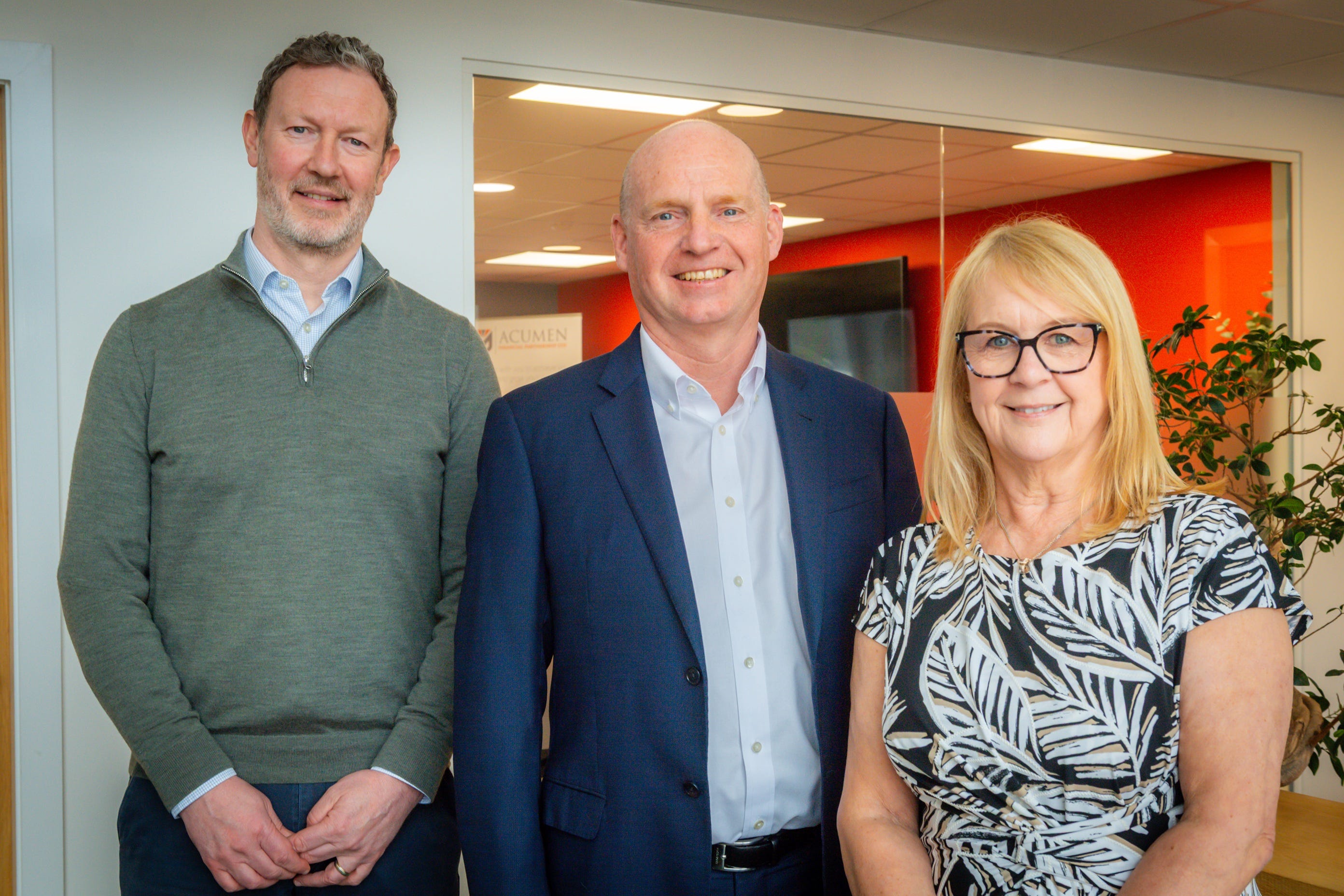
At One Point, supported by private equity investment firms Cow Corner and Summit Partners, he helps grow accountants and IFAs who want to preserve their independence as leading firms in their markets and to date has completed 15 acquisitions, taking its client assets to over £2 billion through partner firms such as Galloways, Mitchell Charlesworth, Pierce and Pembroke.
He’s putting that experience to work in a deliberately differentiated model of consolidation. Where many private equity-backed groups hoover up 65–100% of a firm and subsume it into a central brand, One Point buys a majority stake but leaves a meaningful equity slice with existing partners. Crucially, that equity stays at the level of the operating firm – Mitchell Charlesworth, Acumen, Pembroke, or others – not in some distant holding company.
In April, One Point invested in West Lancashire independent financial adviser (IFA), Acumen Financial, which gives the Burscough-based company, founded two decades ago, strategic investment but retains its partnership-led structure.
Every year, each firm is valued individually and an internal market allows partners to buy and sell shares among themselves. One Point will step in as a buyer of last resort if there’s more stock than demand. That, Symes argues, preserves the traditional partner ethos – local autonomy, local accountability, and a direct line of sight between effort and reward – while still unlocking capital for acquisitions and succession.
“They don’t get a share in OnePoint – they continue to have a share in Mitchell Charlesworth, or in Acumen, or in Pembroke. So they’re responsible for their own success, and they benefit from that,” he explains.
Alongside capital, Symes says One Point offers something many mid‑market firms lack: experienced mentorship and genuine peer support at senior level. He says what many practice leaders really need is “a friend” – someone outside the firm to talk to when the pressures of technology, regulation, recruitment and succession all collide.
That pressure is particularly acute in accountancy. With over 40,000 practices in the UK, it is one of the most fragmented professional markets – and therefore one of the ripest for consolidation. The old model, in which an ambitious thirty‑something borrows hundreds of thousands of pounds to buy out a retiring partner, has broken down. For a generation already stretched by housing costs and personal debt, layering on “an additional half‑million pound” loan is simply unappealing.
“If you go and ask a salaried partner in their 30s, ‘Would you like to borrow three‑quarters of a million pounds to buy out Bob’s equity?’ the answer is no. There’s a real resistance now – they just don’t want that additional debt.”
