


Hello Rainmakers,
Still fresh from the Rainmakers Summit, two overlapping panel discussions explored a shifting investment landscape - where UK capital remains active, international money is still engaged, but both are becoming significantly more selective about where they deploy.
The message still resonates two weeks later, as Ellie Hollinshead reports.
Rainmakers subscribers get two unique pieces a week (usually), but also full access to our back catalogue of investigations, scoops, and insights, including updates from fellow Rainmakers like this one, insights from The Secret Investor, interviews with entrepreneurs, and the leaders from VC and PE investors like Endless River Capital, Foresight, Mercia, Puma and WestBridge.
Investors are prioritising tangible signals of readiness, customers, referenceability, pipeline visibility and operational discipline, rather than narrative-led growth stories.
That was the overwhelming message from debates that raged around the Rainmakers Summit.
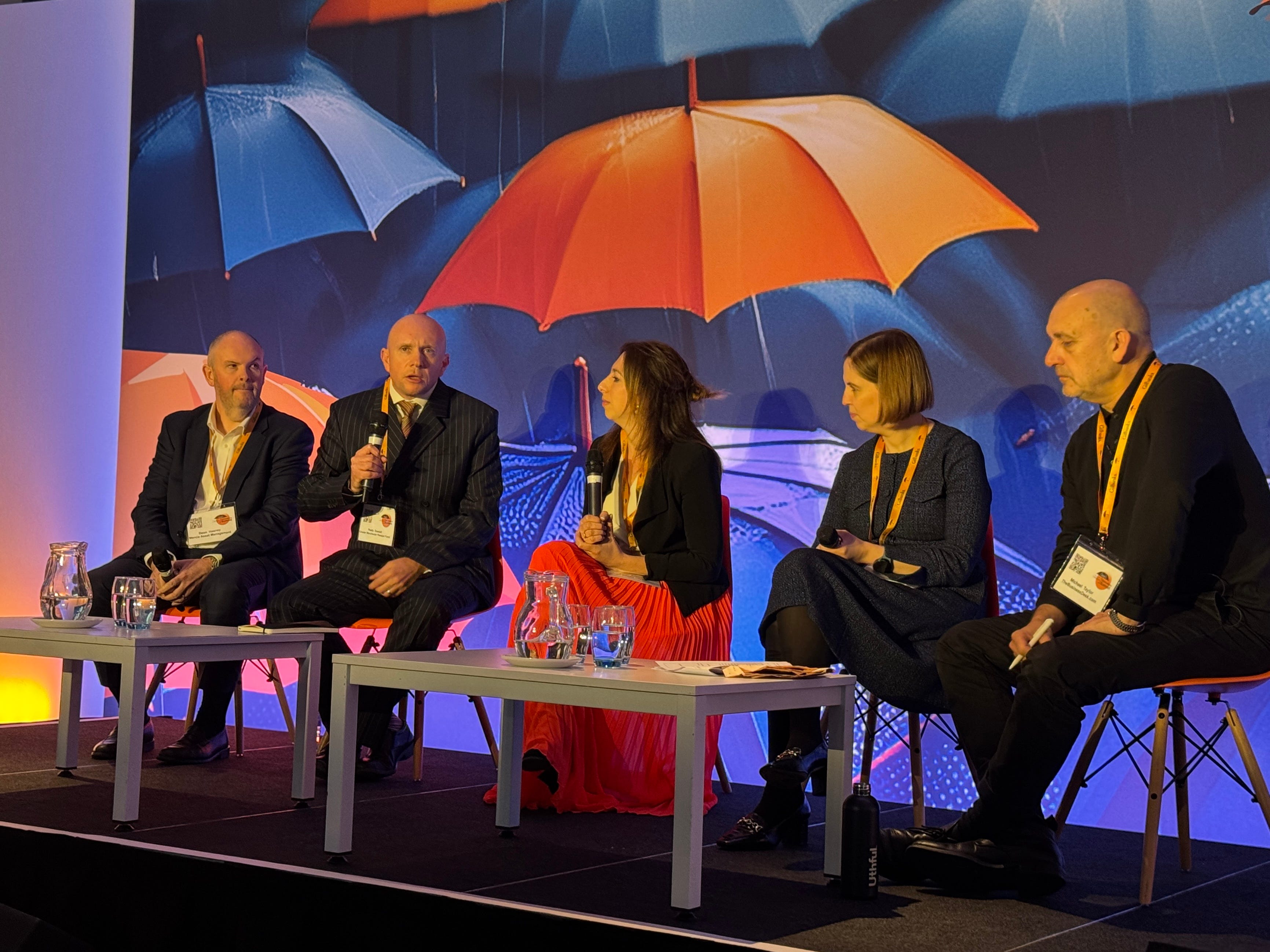
The first panel that touched on these issue featured Sarah Adams (UK Private Capital), Paddy Dowdall (Greater Manchester Pension Fund), Dean Heaney (Mercia) and Veronica Humble (NatWest).
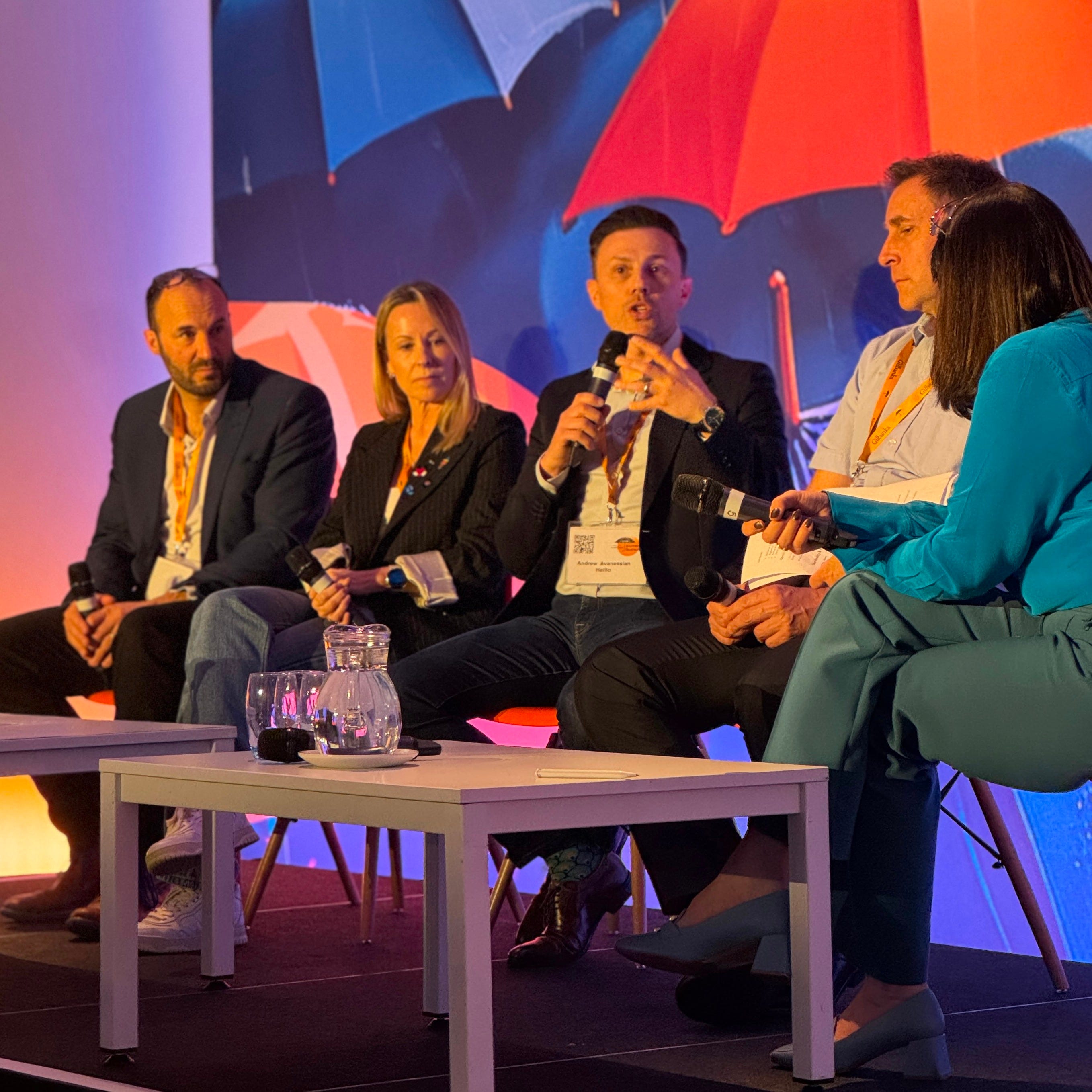
The second brought together Andrew Avanessian (Halo), Hayley Roberts (Distology), Giles Chesher (Squire Patton Boggs) and Brian Muldoon (Build and Bridge Advisory Services).
Both sessions concluded that capital is available - but it is no longer being deployed on potential alone.
From the international capital perspective, the second panel highlighted that the UK continues to benefit from familiarity and perceived stability.
As discussed by all the speakers, there is “a familiarity for international investors… whether that’s coming from the US or Europe,” with the UK seen as a “well-regulated business environment” and therefore a “lower risk place to invest”.
However, the panel made clear this is only the starting point. As Andrew Avanessian (Halo) and others emphasised, investors are now looking for “proof, validation, and the ability to scale”, alongside “leading and lagging indicators in that business plan to prove you can scale and prove how you go into scale”.
The message was that ambition alone is no longer sufficient. The panel warned that too many founders still approach international investment with what was described as a “superficial business case”, particularly when targeting markets such as North America.
The second panel shifted focus to UK regional capital, pensions, private equity and banking relationships, with a strong emphasis on the strength of domestic investment ecosystems.

A recurring theme was the depth and energy of regional talent pipelines, particularly across the North of England.
One speaker referenced software craftsmanship communities originally formed in London, now active globally in cities including Madrid, Barcelona, São Paulo, London, Bristol and Cambridge, with particularly strong engagement in Leeds and Manchester.
What stood out was the intensity of participation in those northern hubs. Communities in Leeds and Manchester were described as running “way more often than the other groups simply because the appetite was there for it”.
The international panel also highlighted the breadth of experience within these ecosystems, with contributors noting that these groups bring together “people all through the different stages of their career... senior engineers” who are “really wanting to bring everybody up with them as well”.
This mix of early talent and seasoned professionals is increasingly viewed as a structural advantage for regional investment markets, strengthening both capability and deal flow outside London.
Across both panels, there was agreement that capital remains available across pensions, banks, private equity and international investors. However, expectations have tightened significantly.
Investment decisions are now more disciplined, with increased focus on governance, resilience and scalable business models. The consensus was that capital is still flowing, but it is being deployed with far greater scrutiny than in previous cycles.
A consistent warning across the discussion was that deals often fail not because the underlying opportunity is weak, but because preparation is insufficient. One speaker highlighted a “lack of preparation in terms of due diligence”, particularly when businesses move into international markets where expectations and interpretations of risk can differ.
In these cases, what is acceptable domestically can quickly become a concern internationally, shifting due diligence from validation into problem identification and slowing or derailing transactions.
Geography also featured prominently. While London remains the default entry point for international capital, regional hubs are increasingly being recognised as credible bases for UK expansion.
It was noted that Manchester is now widely seen as “a good place to base your UK expansion”, with growing recognition that scaling into the UK “doesn’t have to be London”. However, speakers acknowledged that this shift is still evolving, particularly among overseas investors who continue to default to London-centric routes.
Despite these differences in geography, capital type and investment stage, both panels converged on a single conclusion: investors ultimately back people, but only once the business has been properly tested.
As Giles Chesher from Squire Patton Boggs said, many deals fail not on opportunity but on preparation, especially when international investors begin “digging more and more and more” during due diligence.
The good news is the UK remains attractive. The wake up call is that due diligance and scrutiny and proff of concept is tougher than ever.
::
Thank you for subscribing to Rainmakers.
We believe in good journalism that is worthy of your support. Please share this edition of Rainmakers so we can grow the message further and wider.
The insights and commentary we share with you are rooted in the trust we have built in the business community.
We’re also on LinkedIn - please join our Rainmakers community group for updates and offers and opportunities to comment.
If you have something you think we should look at, then either reply to this newsletter or email michael.taylor@thebusinessdesk.com.