


Hello Rainmakers,
As the region’s SaaS ecosystem matures across Leeds, Sheffield and beyond, Sheryl Moore asks whether the region can hold onto its scale-ups long enough to turn momentum into lasting economic power.
Rainmakers subscribers get two unique pieces a week, but also full access to our back catalogue of investigations, scoops, and insights, including updates on sector trends, like this one, as well insights from The Secret Investor, interviews with entrepreneurs, and the leaders from other VC and PE investors like Endless, BGF and WestBridge.
For years, the accepted narrative around UK technology was straightforward: build in the regions if you want to, but the serious money, major investors and largest exits would eventually push companies south.
That assumption shaped a generation of founders. Yorkshire businesses often reached a point where scaling seemed inseparable from London through relocation, fundraising or acquisition.
But Yorkshire’s technology economy has matured significantly over the past decade, especially across SaaS, fintech, compliance technology, data analytics and digital infrastructure. Leeds has built one of the UK’s strongest software ecosystems outside the capital, while Sheffield, York, Hull and Harrogate have developed specialist clusters of their own.
The question facing the region now is no longer whether Yorkshire can create credible technology businesses. It is whether it can keep independent businesses scaling for long enough to create lasting economic gravity.
“There is no longer any serious argument about whether Yorkshire has a real tech ecosystem,” says one Leeds-based investor. “The question now is whether the region can consistently retain and scale the businesses it creates.”
The region is producing stronger software companies than ever, but in a market fundamentally changed since the dizzying heights of 2021: capital is more selective, growth expectations are more disciplined, and SaaS consolidation has accelerated. For many founders, the debate is no longer ideological but practical.
The excesses of the 2021 technology market still cast a shadow over SaaS valuations and fundraising behaviour. During the peak years, venture capital flooded software markets. Growth often mattered more than profitability, and founders became used to revenue multiples that now look hard to sustain.
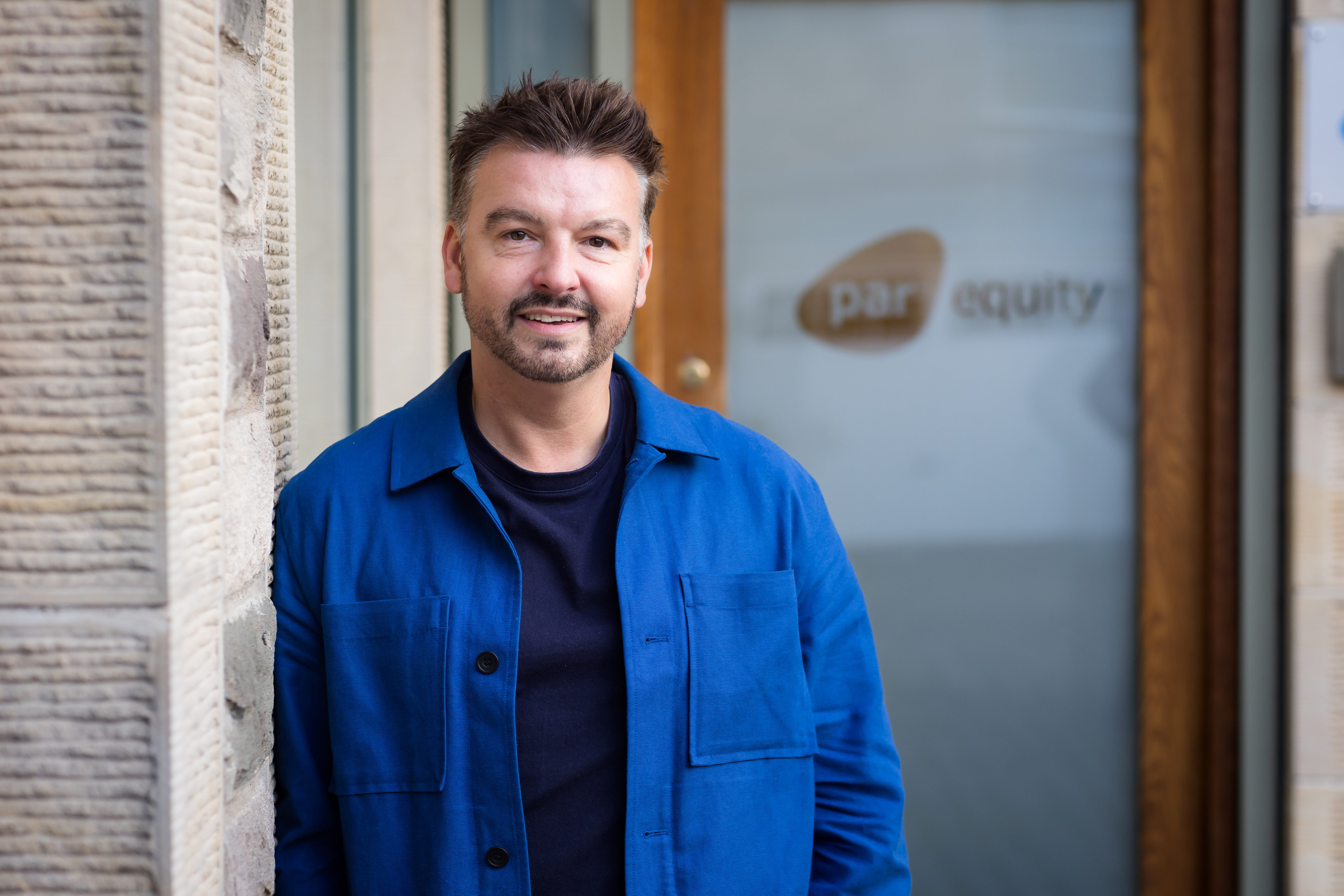
Giles Moore, regional development manager at PXN Group, says that environment has changed materially. “Founders will always want to achieve the highest valuation possible, but recently, after seeing a handful of local companies almost fail because of inflated valuations with very little revenue to justify them, founders are becoming more aware of the challenges and are entering conversations with a more realistic expectation of where valuations will land.”
Across the Yorkshire ecosystem, investors say founders are increasingly focused on predictable recurring revenue, commercial execution and customer retention rather than relying on IP or market narrative alone.
“I’m starting to see a shift in Yorkshire, where founders are becoming much more focused on driving stronger annual recurring revenue and providing clearer evidence of scalable sales execution, rather than assuming their IP alone can justify a high valuation.”
Businesses that once raised substantial growth rounds on future potential alone now face higher expectations around traction, revenue quality and operational discipline, especially at Series A.
“The requirements for a Series A round have shifted significantly in recent years, with investors now expecting to see higher ARR thresholds before they’ll commit,” he says. “With less capital available, investors must be far more selective.
“There is still a lot of education to be done across the region around this, and it remains a common topic of conversation, even when companies are not actively fundraising. That said, it is now rare to come across founders post 2022 expecting to achieve the same peak valuations seen in 2021.”
That change may ultimately prove healthy for the region. At the same time valuations have cooled, consolidation across SaaS markets has intensified. Strategic buyers, private equity-backed platforms and larger technology businesses are becoming more active acquirers of specialist software capability.
For Yorkshire companies, that creates both opportunity and risk. “I can’t speak for every exit that has happened across Yorkshire, but from the companies and founders I know who have exited in recent years, these have primarily been strategic acquisitions,” Moore says.
“However, PE-backed consolidation is becoming far more common, especially in managed services, cybersecurity and B2B software. Yorkshire produces many strong £5m–£20m EBITDA businesses that fit PE roll-up strategies well.”
That consolidation trend is particularly visible in compliance technology and regulated software markets.
Last October, Ilkley-based SmartSearch acquired Credas Technologies, a specialist in compliance and onboarding solutions for the legal and property sectors, in a £77.8m deal.
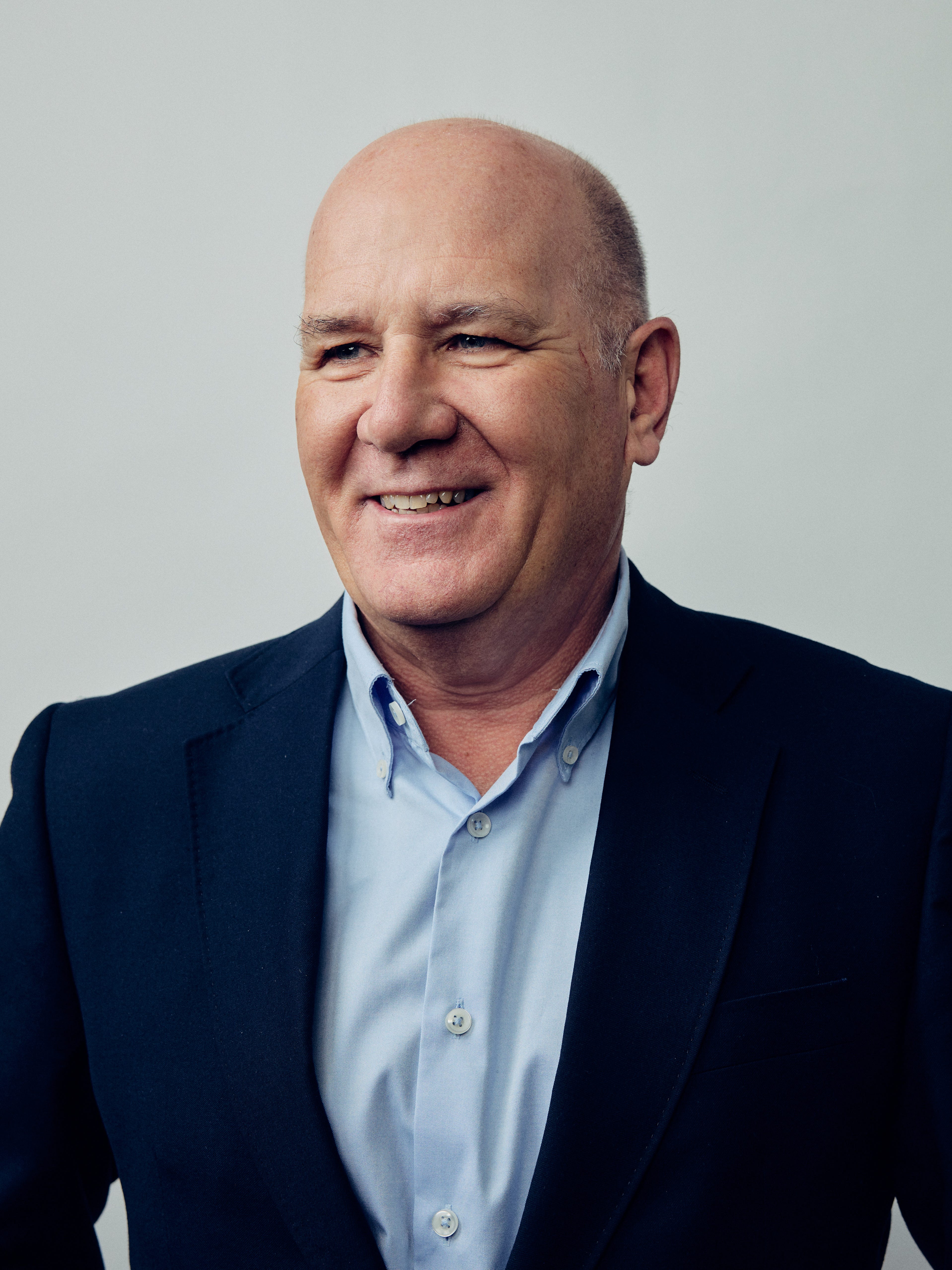
Phil Cotter, CEO of SmartSearch, says acquisitions in the sector are increasingly driven by regulatory complexity, customer demand and platform economics.
