


Hello Rainmakers,
At TheBusinessDesk round table yesterday (14 October) at Gilbanks in Manchester, sponsored by CN Corporate Finance, business leaders and advisers explored the challenges companies face as they grow, change ownership and prepare for a sale.
Rainmakers subscribers get two unique pieces a week, but also full access to our back catalogue of investigations, scoops, and community conversations in the M&A world (like this one). We also bring you insights from The Secret Investor, and from leaders of VC and PE investors like Endless, BGF and WestBridge.
People and skills that get a business started aren’t necessarily the ones it needs to scale. The informal, sleeves-rolled-up approach that works in a small team can become a constraint as the organisation grows. More structure, clearer accountability and experienced leadership may be needed—while still protecting the energy and culture that made the business successful.
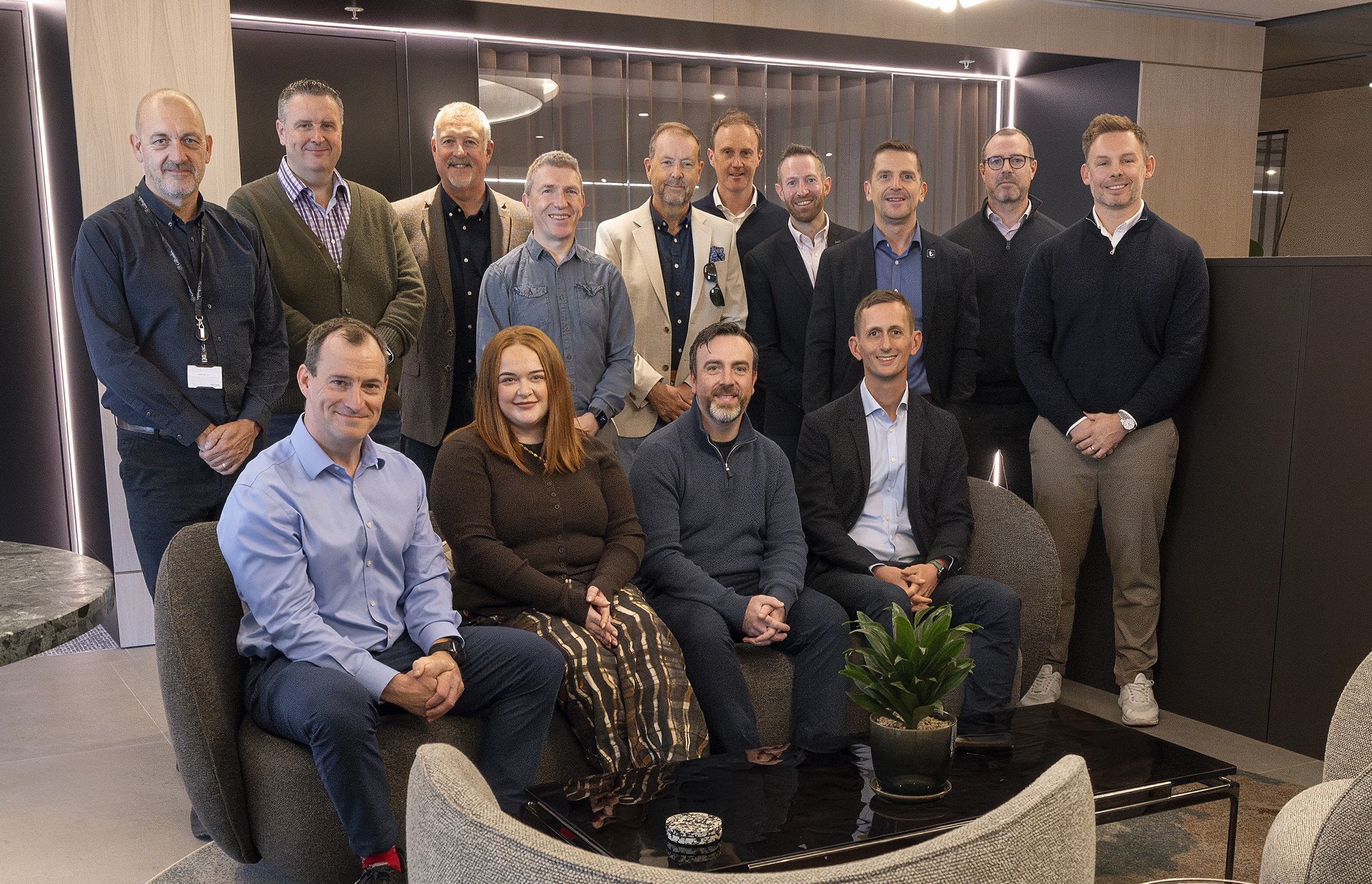
As Dave Baggott said: “The main options are a trade sale, a management buyout, an EOT or private equity investment.” He added that the important thing is to understand the trade-offs and decide what matters most: “Is it value? Is it just passing over to the next person? Is it keeping the culture, keeping the team going?”
There isn’t one answer to when or how to bring in that expertise to get a business deal ready. Some businesses use fractional or interim specialists to strengthen finance, operations or leadership before making a permanent hire. Others recruit earlier, accepting some short-term capacity in order to build the systems, relationships and knowledge needed for the next stage. The key is to plan for what the business will become, not just what it needs today.
That means looking beyond the senior team, too. Retention and succession matter at every level: from the people who hold customer relationships to the employees delivering the day-to-day work. Growth can expose gaps in processes and create new risks if too much knowledge remains in individuals’ heads.
Recruiters Gareth Davies from Michael Page and Ben Debnam from Nigel Wright described growing demand for fractional or interim finance and operational leaders, while noting that permanent hires made early can build stronger relationships and foundations.
Veteran financier Dave Rushton from Allica Bank said lenders and investors assess the people driving repayment or future returns, alongside the quality of systems, reporting and external advisers.
A question raised during the discussion captured the personal side of succession: “Do you want to be king, or do you want to be rich?” In other words, is an owner ready to hand over decisions and let others lead—or do they want to remain at the centre of the business? Planning an exit means being honest about that choice, and about what life after the transaction might look like.
Ruby Melling of Talentloop highlighted the importance of preparing for that future well before a sale is on the horizon. As she put it: “I think you need to start with the end in mind and work back.” She urged owners to identify key-person dependencies and build a plan for who will take on their responsibilities—not just at the top, but through the business.
The experiences around the table showed how varied that journey can be. One entrepreneur described selling a successful online cheese business to a much larger company, then encountering a sharp cultural divide between an autonomous, entrepreneurial team and a corporate buyer. His reflection: owners need to be ready to let go, and should think carefully about whether a senior role after the sale is right for them.
Meanwhile, Ian Hudson from tech buy-and-build CommITed spoke about building through 16 acquisitions, with many more planned—a continuing challenge of bringing different businesses together and integrating them. Together, these stories showed that a transaction is not the end of the journey: culture, leadership and clarity about roles all shape what happens next.
Across the discussion, the consistent message was that growth, succession and sale are not single events. They’re journeys that benefit from early preparation, the right people, aligned incentives and a clear view of what the owner wants next. A business is more ready for its next chapter when it can succeed without relying on one person to make every decision.
::

We have great pleasure in opening up ticket sales for a series of Rainmakers lunches with the Yorkshire winners lunch on the 21st of October 2026 at Crowded House in Leeds.
::

::
Thank you for subscribing to Rainmakers.
We believe in good journalism that is worthy of your support. Please share this edition of Rainmakers so we can grow the message further and wider.
The insights and commentary we share with you are rooted in the trust we have built in the business community.
We’re also on LinkedIn - please join our Rainmakers community group for updates and offers and opportunities to comment.
If you have something you think we should look at, then either reply to this newsletter or email michael.taylor@thebusinessdesk.com.
Rainmakers is a reader-supported publication. To receive new posts and support our work, consider becoming a free or paid subscriber.