


Hello Rainmakers,
Scotland’s business founders need to be less modest and its finance community more bold, according to the corporate lead at a national law firm.
In a frank exchange Danny Lee with Peter Walker, he explains why private equity and venture capital in Scotland remain challenging.
Rainmakers subscribers get two unique pieces a week, but also full access to our back catalogue of investigations, scoops, and specialist insights like this one, also The Secret Investor, interviews with entrepreneurs, and the leaders from other VC and PE investors like Endless, BGF and WestBridge.
Danny Lee, partner and head of the Edinburgh office at Burges Salmon, reckons Scots leading promising start-ups and scale-ups must get their confidence back.
“So they’ll ask for £1m rather than £5m because that’ll do, they’re thinking about what will cover the next year, rather than longer and bigger than that,” he explained. “It’s a bit of a mindset thing here, which is why it’s often foreign students behind our brightest businesses, as they bring a bit more ambition - they’ll say what needs to be said to get interest - so I think Scottish founders need to puff their chests out a bit more.”
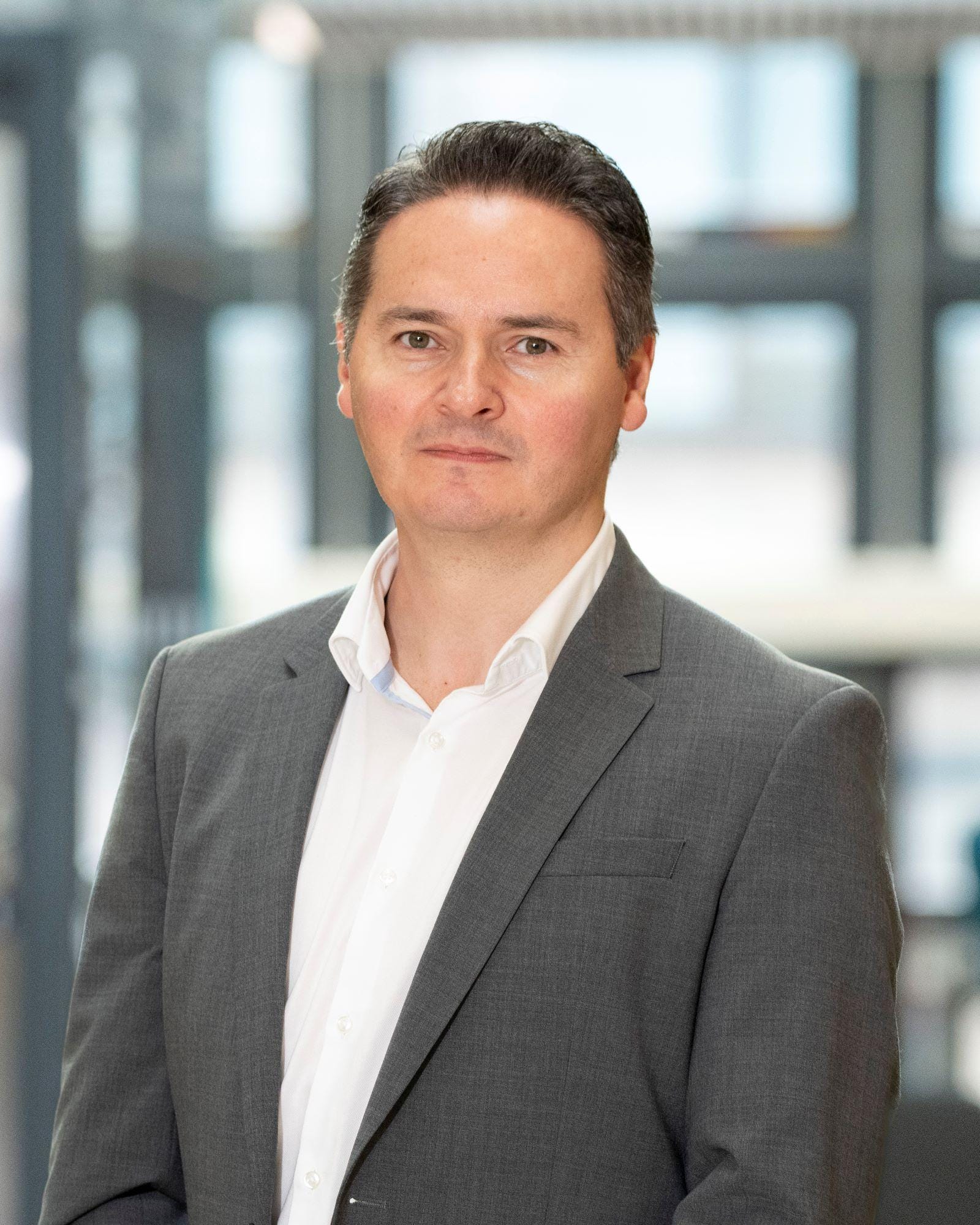
As for his fellow rainmakers north of the border, Lee reckons more bravery is required.
“I sense there is capital begging to be deployed, but there are so many geopolitical uncertainties we’re all just a bit anxious, nobody’s willing to stick their heads out,” he commented, adding that while transaction levels are OK so far, 2026 has yet to really take off.
“I’m optimistic that this time last year we’ll be a bit busier.”
Lee said that private equity and venture capital in Scotland remains challenging.
“The Scottish National Investment Bank has done a reasonable job in crowding in capital, writing bigger cheques than Scottish Enterprise used to - the thing is that while great ideas are formed here, they stay small or get sold to a bigger player; usually with jobs lost overseas,” he argued.
