


Hello Rainmakers,
From consolidation to technology investment, private equity is reshaping the UK’s logistics sector as investors back businesses with the scale, infrastructure and ambition to meet changing customer demands.
Rainmakers subscribers get two unique pieces a week, but also full access to our back catalogue of investigations, scoops, and sector insights like this one, also The Secret Investor, interviews with entrepreneurs, and the leaders from other VC and PE investors like Endless, BGF and WestBridge.
Private equity’s appetite for logistics businesses shows little sign of slowing. Once viewed largely as a dependable but operationally intensive sector, logistics has become one of the UK’s most attractive investment markets, fuelled by e-commerce, supply chain transformation, automation and growing demand for integrated services.
Rather than simply backing parcel operators or warehousing specialists, investors are increasingly targeting businesses capable of offering end-to-end logistics solutions.
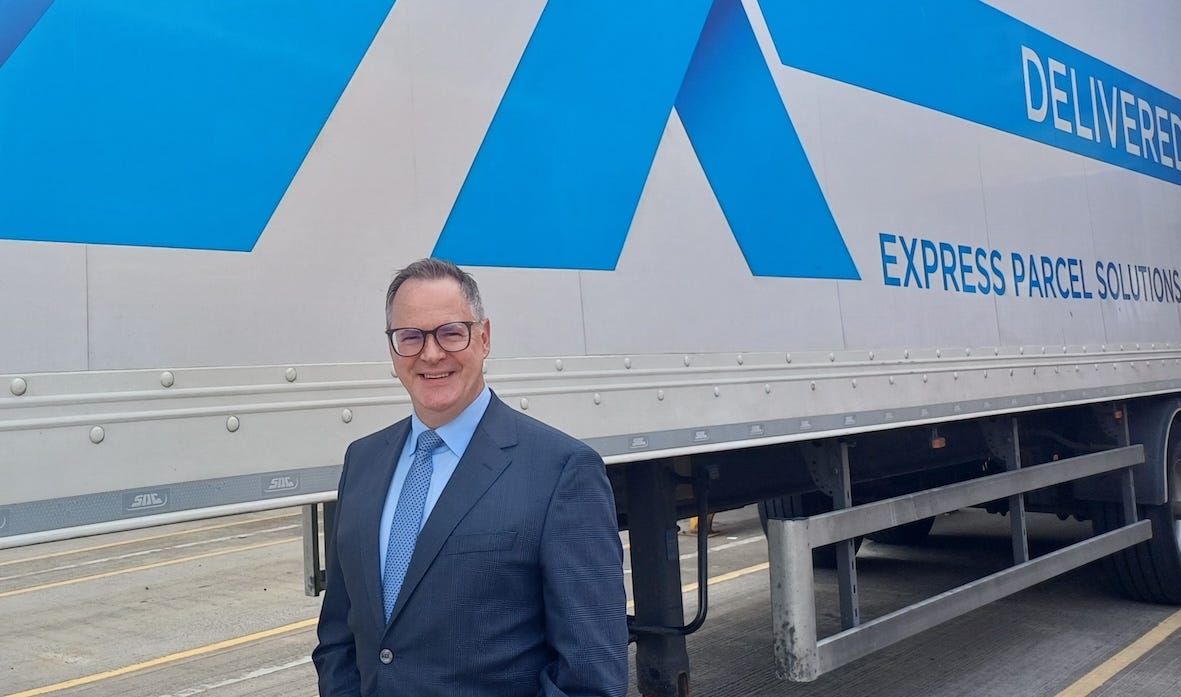
One business illustrating that trend is DX Logistics. Since being taken private by H.I.G. Capital, the company has embarked on a programme of acquisitions, network expansion and strategic repositioning designed to transform it from a parcel and freight operator into a broader logistics partner.
Chief executive Ian Truesdale, who took over the role last year, says one of his first priorities was bringing together a business that had grown through multiple divisions into a more unified organisation.
“Being private equity owned, the owners or investors had specific goals around driving growth and driving our market share and expanding into new services.
“And we didn’t really have a very clear strategy as a company. We had a number of divisions that were operating quite independently, and we didn’t have a single unifying strategy.”
That experience reflects a familiar private equity playbook. Investors often acquire businesses with strong operational foundations before focusing on integration, strategic clarity and commercial expansion.
For DX, that has meant repositioning itself around a wider logistics proposition.
“My second priority, once I got to learn about the business, was to define and develop and define and then launch a new strategy for the business,” Truesdale says.
“We had a lot of very good internal alignment sessions with senior leadership team... agreeing what the right strategy was, and then testing that out internally and with our customers at the end of last year.
“And then we launched that new strategy at the beginning of this year, which included repositioning the business as a broader logistics company.”
