


Hello Rainmakers,
One of the largest acquisitions in the burgeoning wellness industry is close to being finalised with Bain Capital poised to acquire Vitabiotics, the group behind Wellwoman and Pregnacare multivitamins, for around £900m.
The deal points to a sector in fine fettle and with strong growth potential as more of us splash out on products and services that we hope will make us happier and healthier.
Rainmakers subscribers get two unique pieces a week, but also full access to our back catalogue of investigations, scoops, and insights, including talking points like this one, insights from The Secret Investor, interviews with entrepreneurs, and the leaders from other VC and PE investors like Endless, BGF and WestBridge.
Watch daytime commercial TV and you’ll be offered a happier, healthier life in every ad break if only you buy these nutritional supplements, book that spa break or fork out for a hi-tech exercise bike.
The fact that most of the other adverts seem to be for low-cost cremations reminds us of the fact that none of us can hold back time forever.
But that doesn’t stop us, as a nation, spending on average £2,600 a year each on wellbeing products and services – everything from gym membership to gut care.
Personal expenditure on holistic, mental and physical health continues to grow exponentially, and according to the Miami-based Global Wellness Institute, the UK wellness market growth has outstripped every other country, including the US, since the end of the pandemic.
Hardly surprisingly, sub-sectors under the wellness umbrella such as fitness, nutrition and self-care have attracted the attention of the private equity industry in recent years.
Add to this the growing trend to incorporate digital technology, especially AI, into new products – not to mention the Gen Z and Millennial preference for pursuing active lifestyles rather than drinking alcohol - and the growth chart looks remarkably healthy.
It’s a far cry from 1971 when scientist and author Dr Kartar Lalvani launched London-based Vitabiotics. Now helmed by his son Tej Lalvani, the former Dragons’ Den investor, it is a major player in what is known as the VMS (vitamin, mineral, and supplement) market – hence Bain Capital’s interest.
Active lifestyle brands are also on the PE shopping list as baby boomers as well as younger generations look to stay healthier for longer. An estimated 18% of us now hold - if not actually use - some form of fitness membership.
Piper Private Equity has become a key player in this market, backing among others Nottingham-based indoor performance fitness bike company Wattbike.
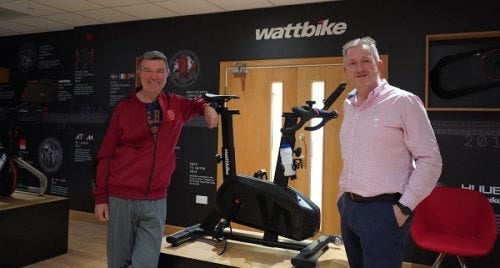
Piper invested £11.5m into the firm in September 2020, exiting five years later when it was snapped up by NASDAQ-listed premium fitness equipment group Interactive Strength for $15m (£11.3m) in an all-stock deal.
Piper has also backed Harrogate-based beauty and wellbeing brand Neom Organics, which was founded in 2005 by friends Nicola Elliott and Oliver Mennell.
